Genoa in the Belle Époque of Genoa CFC

Genoa in the Belle Époque of Genoa CFC
The Belle Époque – the period from the 1880s to the tragedy of the First World War – was a prosperous and dynamic time for Genoa, marked by a flourishing of exhibitions, cultural events and unprecedented change: between 1890 and 1905, the city centre underwent a radical urban transformation. Following the expansion of the port, made possible by Marquis Raffaele De Ferrari’s donation of 20 million lire, its facilities generally met the demands of shipping and the impact of the Great Emigration: 1,922,968 people embarked here, accounting for 61% of Italy’s emigrants during those years. Other major developments included the new Ponte Federico Guglielmo and the first passenger terminal, the Darsena railway facilities, links to the quays and S. Limbania station, general warehouses on the former Molo Vecchio, dry docks and grain silos. Via Carlo Alberto, now Via Gramsci, the main commercial thoroughfare, was widened and linked to the Foce district by the Circonvallazione a Mare waterfront promenade (1890–94). The arcades and the Sottoripa area, which had fallen into serious disrepair, were restored. The most ambitious project was the creation of Via XX Settembre and its extension to connect the centre with the former municipalities incorporated into the city to the east and in Valbisagno (1892–1902). The opening of Corso Italia (1909–15) provided a further connection to the east.
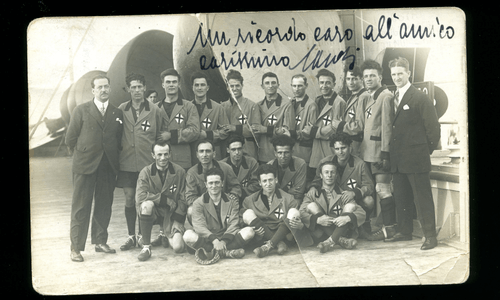
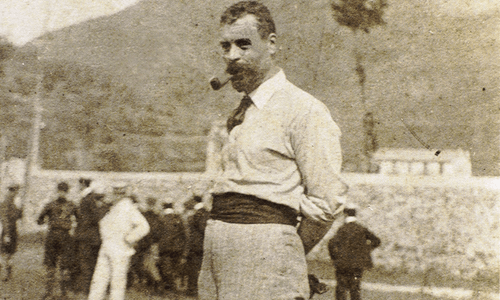
In 1914, Genoa hosted another major themed exhibition, devoted to the maritime economy and Italians’ contribution to progress around the world. This period coincided with the founding of Genoa CFC and its pioneering historical role in the emergence and spread of football in Italy. The earliest trophies in Italian football history are displayed at the Genoa History Museum, including the 1898 Challenge Cup, the very first, which was recovered in Miami after being lost for over a century. Genoa’s success in football, athletics and water polo, together with the personal involvement of many members in other sports – cycling, rowing, boxing, tennis and swimming – and in finance, culture and philanthropy, helped establish the city’s national standing.