Closed on 31/12/2009
Colors and Symbols of Genoa and the City
Colors and Symbols of Genoa and the City
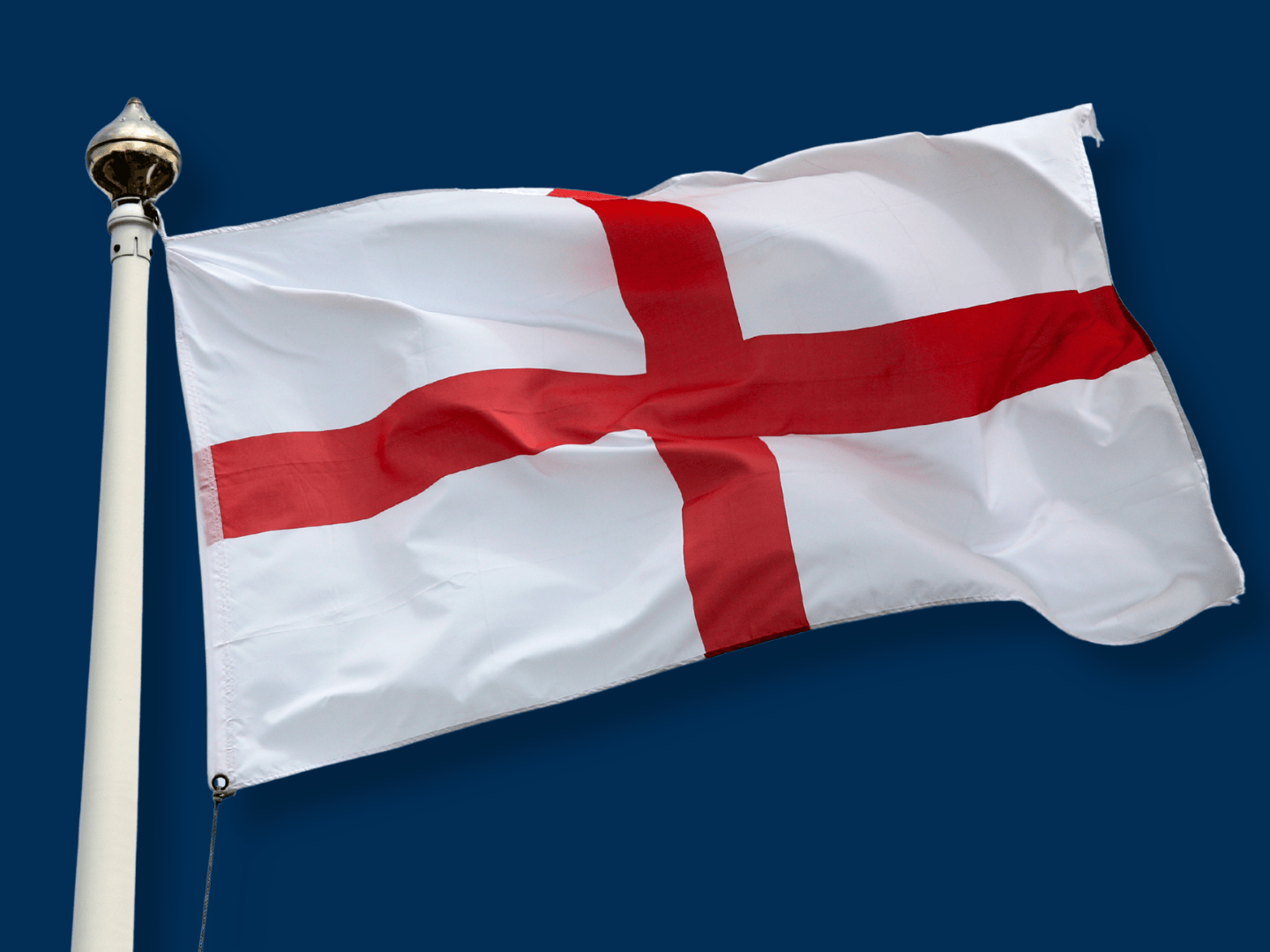
The first colors on football fields appeared only with the spread of the sport and the emergence of organized clubs, when teams began to distinguish themselves through identifying club colors. After an initial period marked by uniform white—a legacy of cricket—or by simple casual kits, uniforms began to incorporate color combinations, panels, and stripes, giving rise to the first official jerseys.
Some drew inspiration from the colors of their cities, while others were inspired by patriotic sentiments or various forms of symbolism. Although the Grifone—the historic symbol of Genoa and its patron—appeared in the Club’s official documents from its very beginnings, it was not sewn onto the team jerseys until several years after the Club entered its first official tournaments.
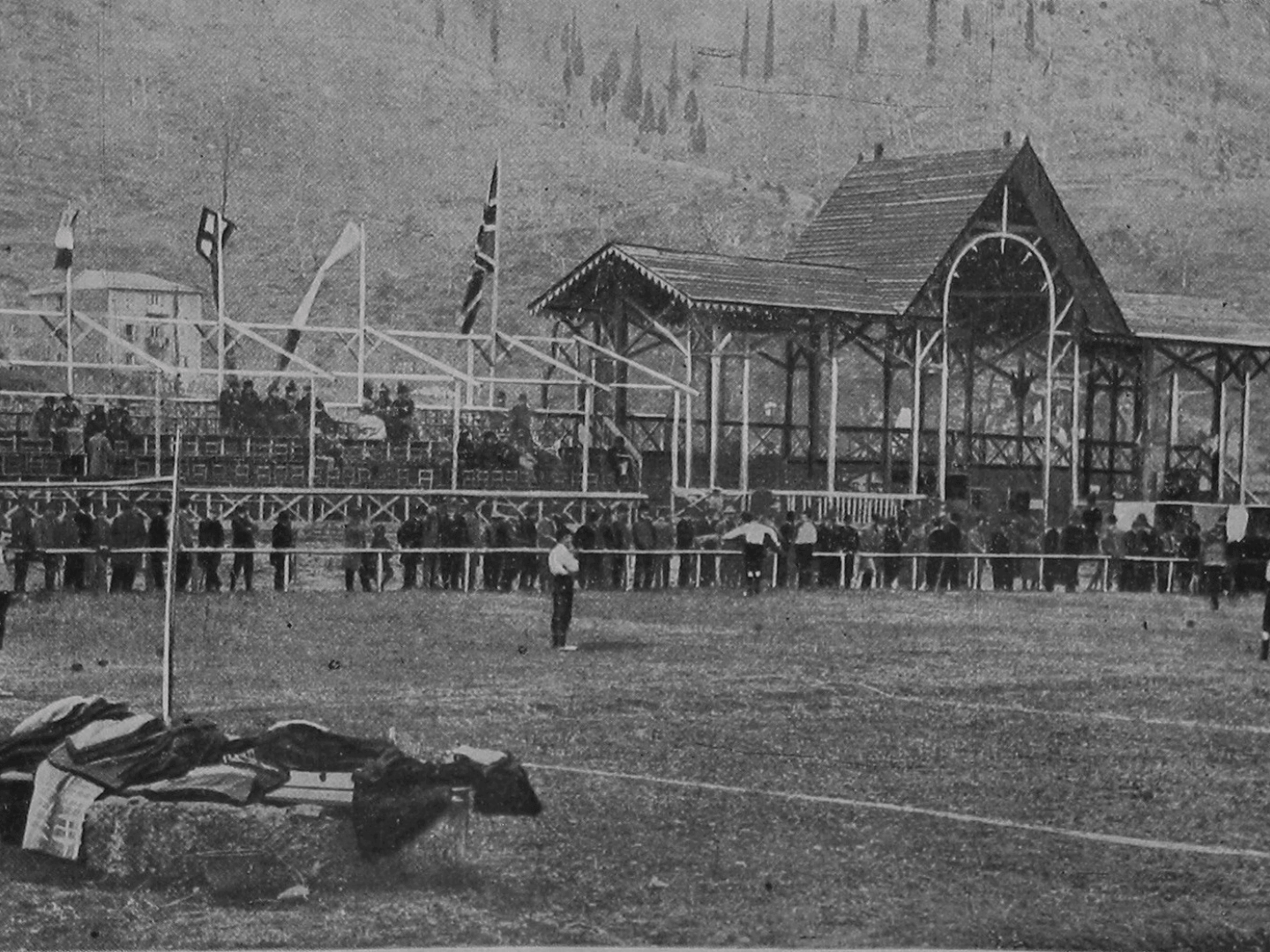
Genoa’s color shift took place in 1901, following an event destined to mark an era: the death of Queen Victoria. The members of the young Club, deeply connected to the British culture of its founders, decided – after a heated debate – to adopt the colors red, white, and blue, a clear tribute to the Union Jack.
This is how the Genoa jersey as we know it today came into being: maroon and dark blue arranged in quarters, with white reserved for the details. After more than a century of history, titles, and sporting battles, the Grifone continues to watch over the city and its fans, while red and blue remain symbols of a bond that time has never weakened.